
Edraak News
30th January-16th February 2026

Edraak News is our newsletter that honours the Muslim world’s diversity, reflected in the multitude of its socio-economic conditions and political institutions spanning across the continents. Traced back to its Arabic origins, إدراك encompasses timely and thorough insights into the developments of the Muslim-majority countries. We classify the Muslim-majority countries into four zones as per their current conditions of conflict, transition, stability, and development.
This newsletter covers developments from 30th January-16th February 2026 examining a historic electoral shift in Bangladesh and what it signals for democratic recalibration and student politics. It highlights the Damascus International Book Fair as a marker of tentative cultural reopening and the arrests following the deadly Islamabad mosque bombing. The issue also reviews Indonesia’s commitment to a Gaza stabilisation mission, Pakistan’s citizenship law reform, and Sri Lanka’s proposed changes to Muslim family law. Finally, it considers the United Nations’ deepening financial crisis and the broader implications for humanitarian efforts and global institutional stability.
For the purposes of this report, We organise Muslim-majority countries into four zones, based on their current conditions of conflict, transition, stability, and development
Zone I: Experiencing War, Conflict, Oppression, Genocide
This zone includes countries where violence, civil war, and mass atrocity crimes dominate daily life
Indonesia Commits Troops to Gaza Stabilisation Mission
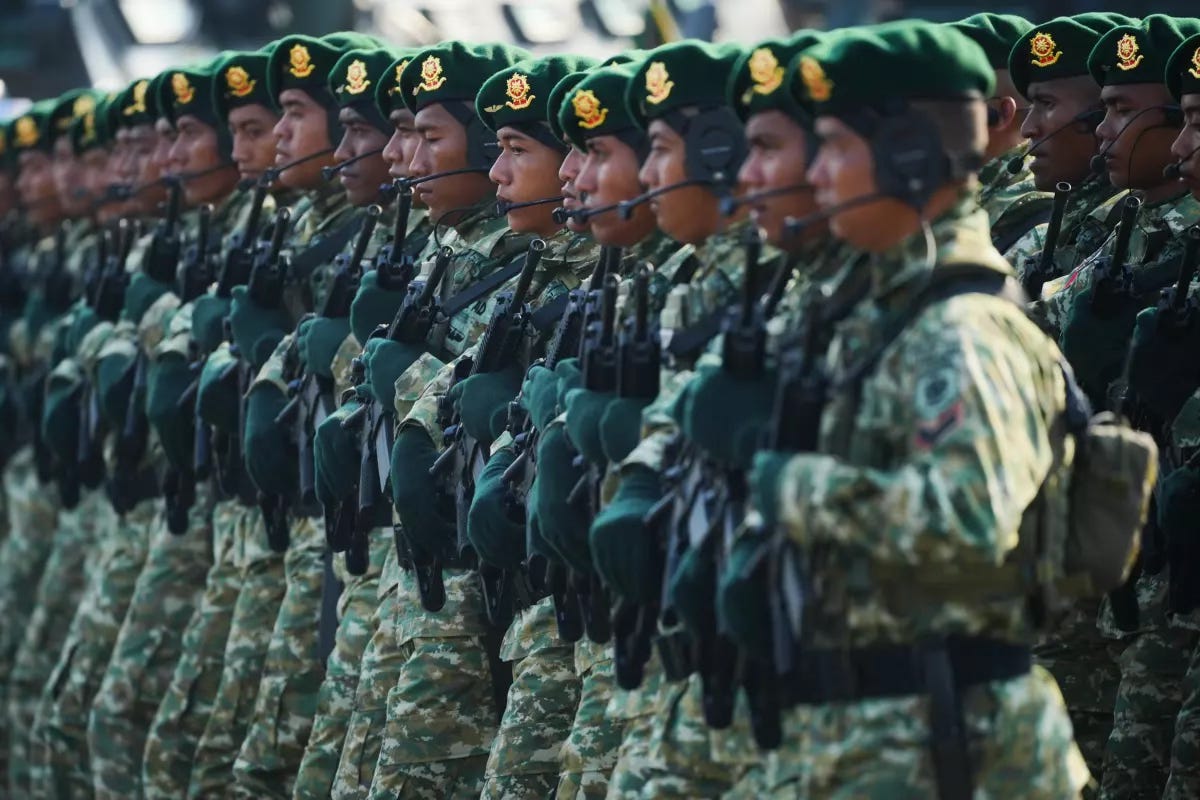
Indonesia has begun preparing up to 5,000–8,000 troops for possible deployment to Gaza as part of a proposed international stabilisation force linked to a US-led peace initiative. Military officials emphasised that training is focused on humanitarian assistance and reconstruction, rather than combat operations. The deployment, still under negotiation, would centre on relief coordination, rebuilding damaged infrastructure, and supporting civilian recovery efforts in war-affected areas.
Zone II: Transition toward Peace and Stability
Countries in this zone are emerging from conflict or undergoing volatile transitions. They are in the process of political reconstruction and institution-building.
The Damascus International Book Fair marks an opening in cultural expression
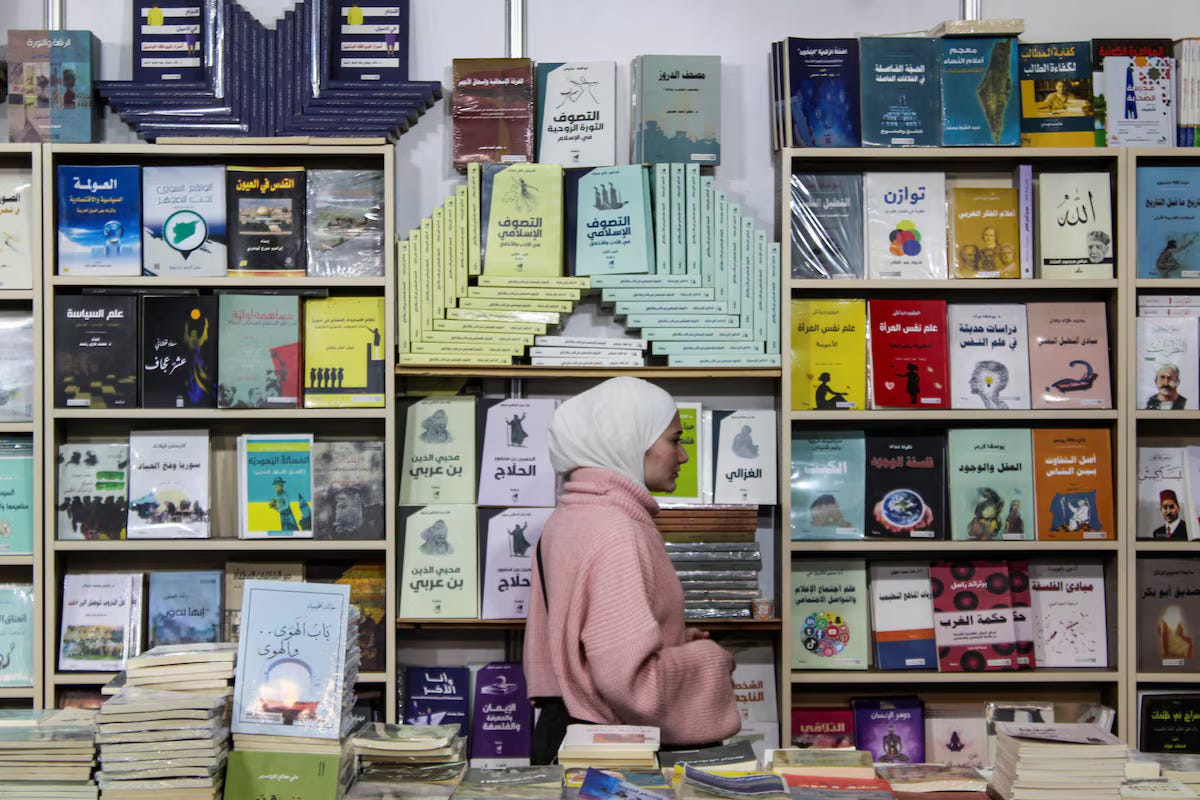
The 2026 Damascus Book Fair saw a dramatic expansion of previously restricted literature, including Islamist works and Kurdish language sections, following political change in Syria, indicating a cultural thaw and a loosening of past censorship. Event organizers said almost all forms of literature are now permitted except those inciting hatred, suggesting a new space for intellectual and cultural liberty after decades of tight control.
Zone III: Stable but Economically Struggling
These countries enjoy relative peace and order, yet face fundamental economic, governance or social challenges.
Pivotal Elections in Bangladesh
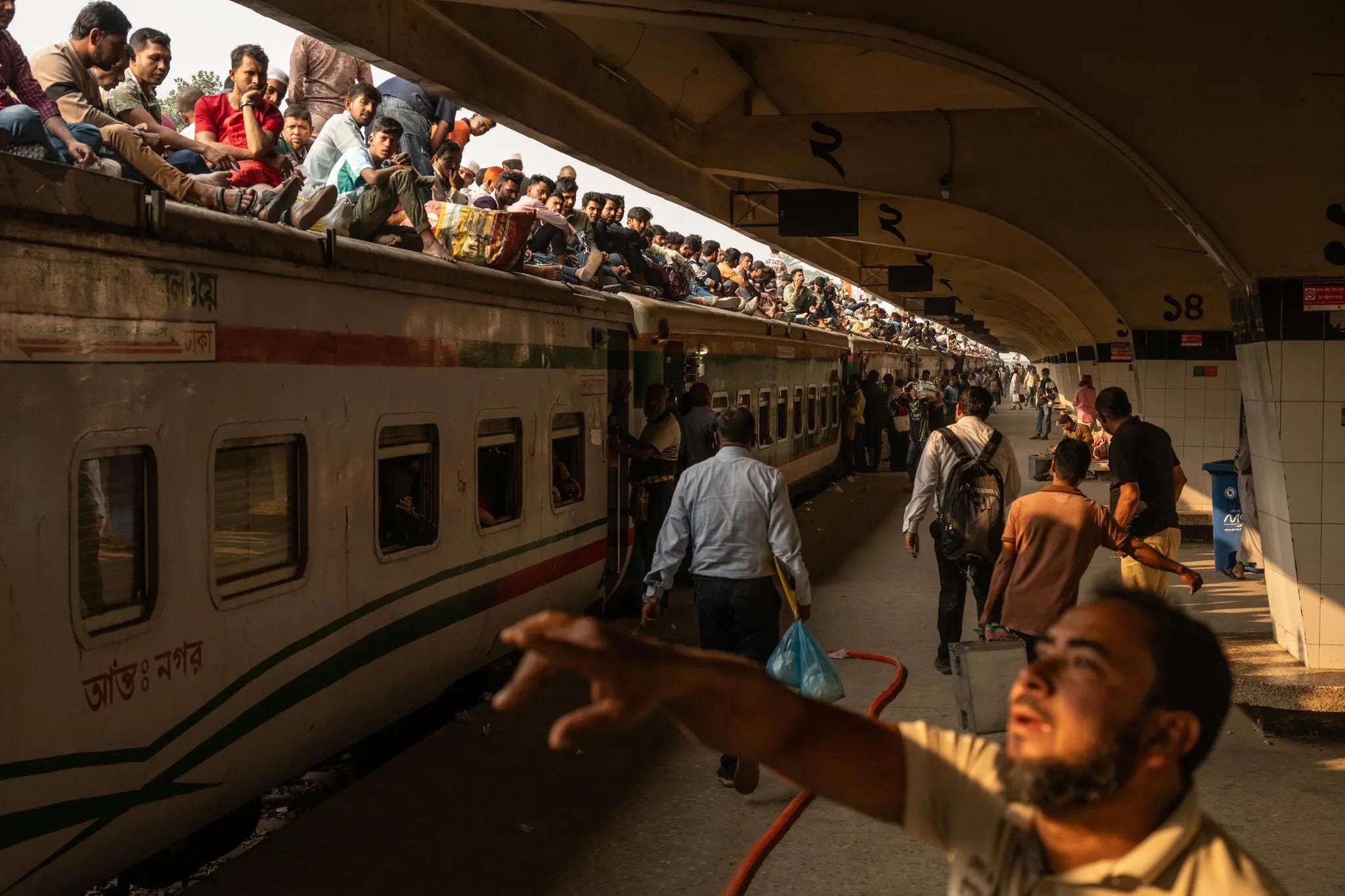
Recent election results in Bangladesh saw the return of the Bangladesh Nationalist Party (BNP) to government, while the student-led National Citizen Party (NCP) secured only two seats. The vote followed the 2024 student-led protests that began over public sector job quotas and later expanded into a broader anti-government movement that culminated in Sheikh Hasina’s departure. Hasina’s long tenure brought infrastructure growth and economic gains, but it was increasingly marked by allegations of electoral manipulation, shrinking civic space, crackdowns on opposition figures, and constraints on media freedom, fueling fatigue among urban voters and younger generations who viewed stability as coming at the cost of political liberty. Although student mobilisation played a central role in the upheaval, analysts note that sustaining campus-based political energy within South Asia’s patronage-driven party system remains difficult. The current results reflect the reassertion of established political actors rather than the consolidation of a new student-led political force. BNP leaders reassure that the party’s priority is to bring democracy back to Bangladesh that had been destroyed by Hasina’s overly authoritarian rule. They would focus primarily on restoring the democratic and financial institutions that suffered over the decade. This political outcome underscores a familiar pattern: when institutional politics tightens, student movements re-emerge as catalysts of democratic recalibration, keeping participatory politics alive even amid attempts at consolidation.
Islamabad mosque bombing arrests after deadly attack
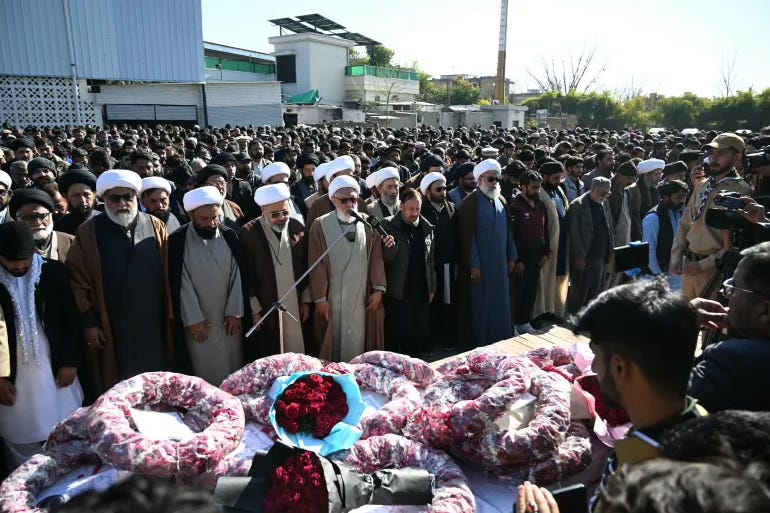
On 6 February, a suicide bombing at a Shia mosque in Islamabad killed 32 worshippers and injured roughly 170 during evening prayers, marking one of the deadliest terrorist attacks in the capital in recent years. Investigations have pointed toward an extremist outfit with a history of targeting Shia communities, reviving concerns about terrorist militancy despite years of counter-terror campaigns since 2014. While four suspects have been arrested in connection with the attacks, the incident underscores a persistent challenge for the state: the obligation to safeguard lives and maintain public security. The attack highlights the continuing test of the rule of law and the state’s capacity to prevent organised violence against civilians.
Sri Lanka Tabling Muslim Family Law Reform Bills
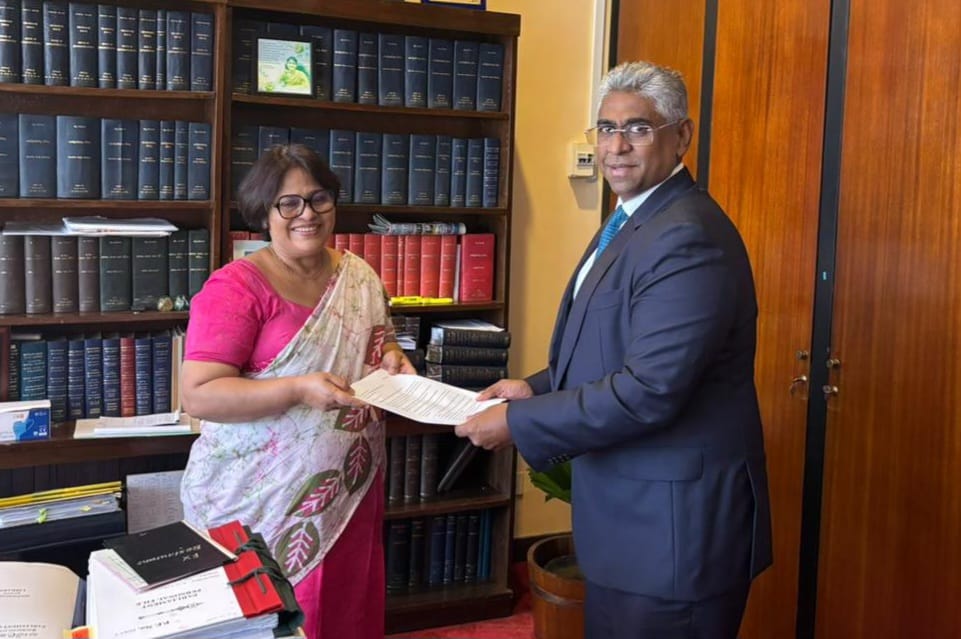
In Sri Lanka’s parliament, two private member bills were introduced on 5 February 2026 to reform personal status laws affecting marriage and divorce, including raising the minimum marriage age to 18, mandating the bride’s written consent, and expanding women’s roles in family law courts. These proposals touch on gender equality and individual rights within Muslim personal law frameworks.
Zone IV: Developed or Emerging Economies with Peace and Stability
Zone IV encompasses those countries that have achieved a baseline of political or security stability, and which are now focused on economic growth, globalisation and strategic alignment.
UN in Financial Crisis
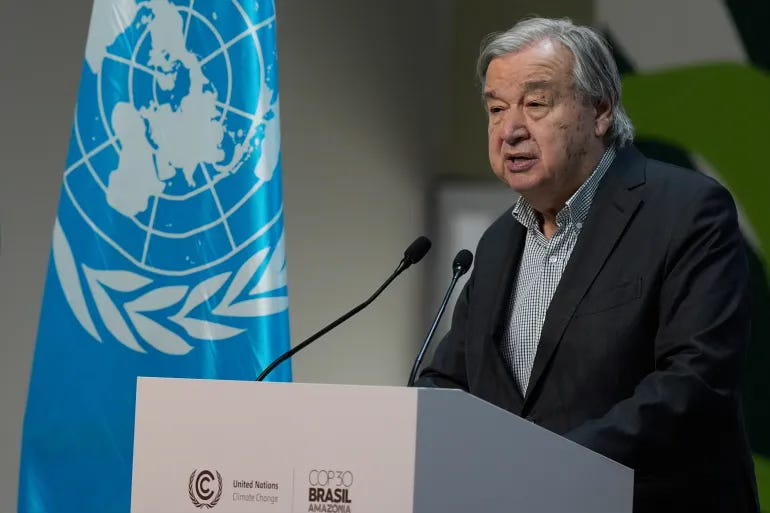
The United Nations is facing what Secretary-General António Guterres has called an “imminent financial collapse,” warning that cash reserves could run dry by July as member states fall behind on mandatory dues. Only 77% of assessed contributions were paid in 2025, with the United States, its largest contributor, refusing to fully fund regular and peacekeeping budgets and withdrawing from several agencies. The shortfall is already curbing humanitarian relief, halting human rights investigations, and forcing aid cuts from Afghanistan to Sudan.
Article Pick
Read “Why Does Student Politics Remain Relevant in Bangladesh?” by Dr. Pranab Kumar Panday. This article explains how student activism in Bangladesh has historically shaped major political shifts, from liberation movements to democratic transitions, and why youth engagement continues to be a powerful force in national politics..