
Tensions, Transformation, and Trade: Highlights from the Muslim World
Edraak Weekly | 9–19 January 2026

This week’s newsletter covers developments from the streets of Iran, where ongoing protests reveal the costs of political repression and restrictions on basic rights, to Southeast Asia, where economic and cultural initiatives empower communities and preserve heritage. For this edition of Edraak Weekly, we cover human rights challenges, the global factors shaping economic freedom, and cultural developments across Muslim-majority countries.
Edraak is our newsletter that honours the Muslim world’s diversity, reflected in the multitude of its socio-economic conditions and political institutions spanning across the continents. Traced back to its Arabic origins, إدراك encompasses timely and thorough insights into the developments of the Muslim-majority nations.
For the purposes of this report, We organise Muslim-majority countries into four zones, based on their current conditions of conflict, transition, stability, and development
Zone I: Experiencing War, Conflict, Oppression, Genocide
This zone includes countries where violence, civil war, and mass atrocity crimes dominate daily life.
Ceasefire Claims, Continuing Fire
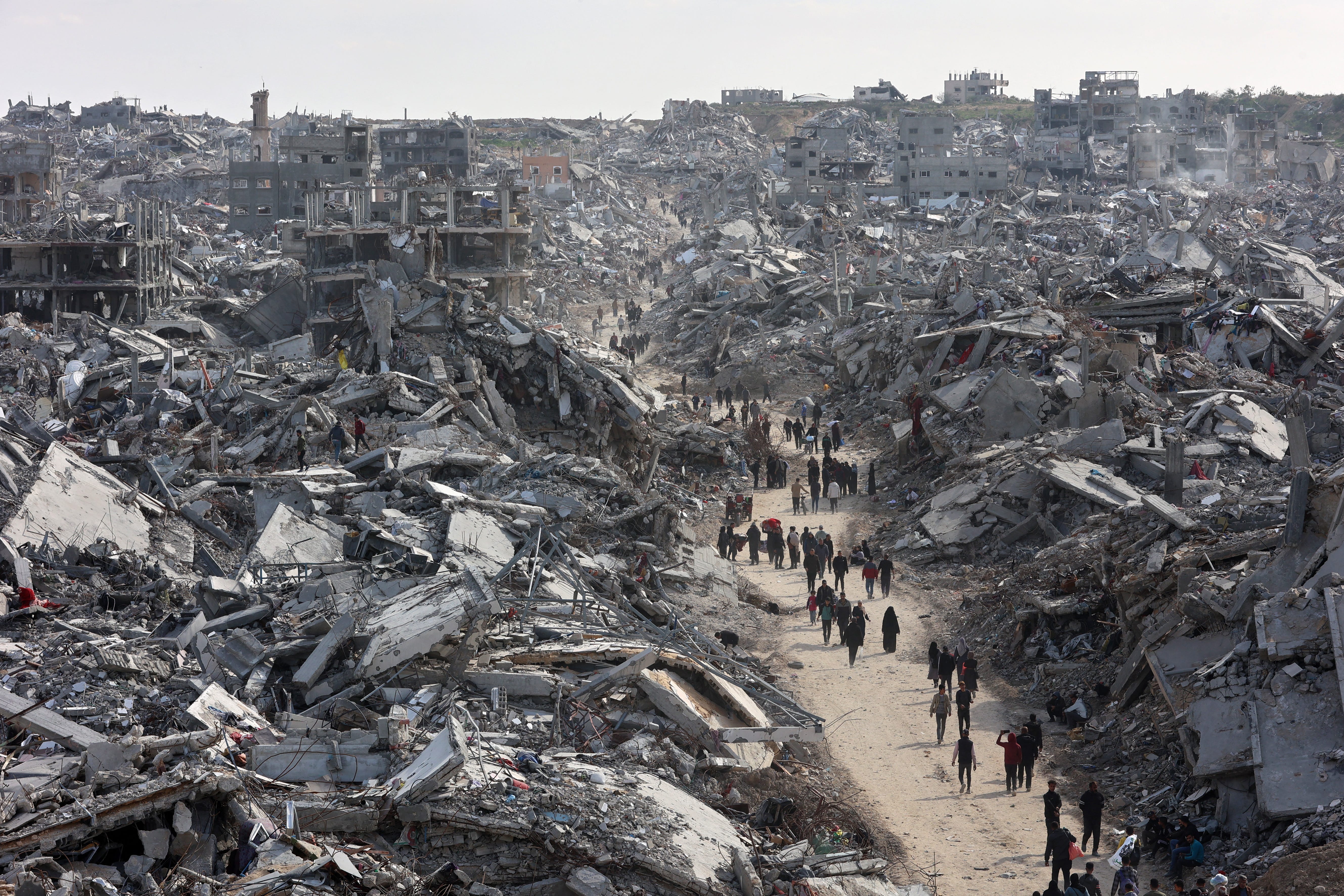
Palestinians in Gaza have reacted with scepticism to Donald Trump’s announcement that the second phase of the ceasefire has begun. Israeli attacks have continued across the territory despite the declaration. Trump has also said he plans to lead a proposed “Board of Peace” to govern Gaza, while the symbolic ceasefire fails to shelter Palestinians from both the harsh winds and continued Israeli incursions deeper into the Palestinian Strip.
Reports suggest that at least 451 Palestinians have been killed since the ceasefire was declared last October. Since October 2023, Israeli military operations in Gaza have killed more than 71,000 Palestinians and wounded over 170,000
Zone II: Transition toward Peace and Stability
Countries in this zone are emerging from conflict or undergoing volatile transitions. They are in the process of political reconstruction and institution building.
UN Weighs In on Iran’s Protests — But Is Action Likely?
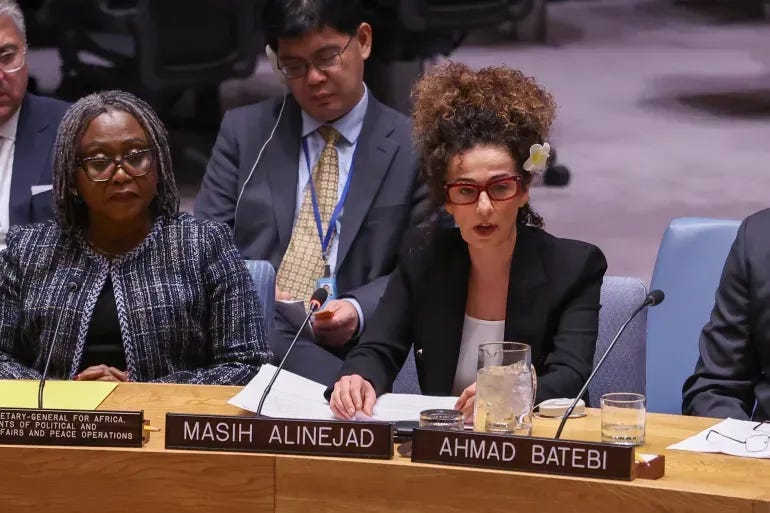
The UN Security Council convened an emergency session on 16 January 2026 to address Iran’s deadly nationwide protests, exposing sharp divisions but offering little indication of concrete international action. While UN officials documented widespread deaths, mass arrests, and allegations of serious rights violations, the meeting largely devolved into a war of words between Tehran and Washington, underscoring the Council’s limited ability to move beyond statements of concern.
Iran’s deputy UN envoy rejected accusations of repression and warned that any external aggression would be met with a lawful response under the UN Charter. The United States, meanwhile, condemned Iran’s crackdown and highlighted the regime’s internet blackout as an attempt to obscure the true scale of violence. Despite calls from UN officials and activists for independent investigations and accountability, the absence of consensus among Council members makes binding measures, such as sanctions or referrals, highly unlikely in the near term.
Protests first broke out across Iran on 28 December, sparked by demonstrations of shopkeepers in Tehran’s Grand Bazaar against soaring inflation and the rapid collapse of the national currency. Since then, the unrest has escalated into a nationwide uprising, with rights groups reporting at least 2,571 deaths to date.The Iranian rial has lost approximately 96.07% of its value against the US dollar, pushing the exchange rate beyond one million rials to a single dollar, further eroding purchasing power and living standards. What began as economically driven anger has since morphed into broader political dissent, accompanied by mass arrests and allegations of widespread repression. Years of punitive sanctions, chronic economic mismanagement, and entrenched political constraints have set the stage for the current crisis.
Cracks Beneath the Emirate
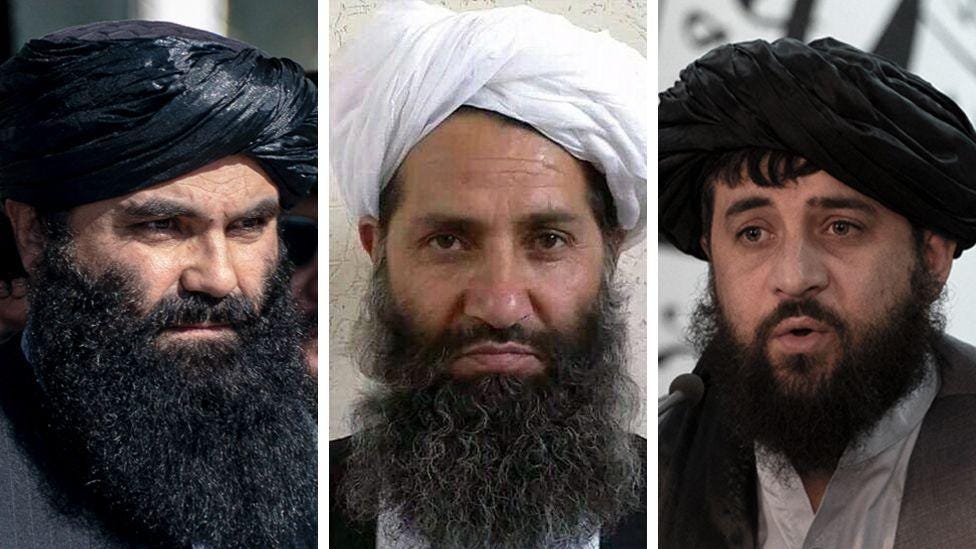
A leaked audio recording obtained by the BBC has revealed growing divisions within the Taliban leadership. In the recording, Taliban supreme leader Hibatullah Akhundzada warns that internal disputes, not foreign threats, pose the greatest risk to the Islamic Emirate. The speech, delivered at a madrassa in Kandahar in January 2026, adds weight to long-standing rumours of rifts at the top, which the Taliban has repeatedly denied.
A BBC investigation points to two competing camps within the leadership. One, based in Kandahar and loyal to Akhundzada, favours a rigid and isolated Islamic system. The other, centred in Kabul, includes senior ministers and commanders who support limited engagement with the outside world, economic recovery, and modest social changes, including girls’ education. The divide raises new questions about unity and stability within Taliban rule.
Syria and SDF Ceasefire Deal
On 18 January 2026, the Syrian government and the U.S.-backed Syrian Democratic Forces (SDF) agreed to a comprehensive ceasefire and integration deal. The agreement calls for an immediate ceasefire along all contact lines, the withdrawal of SDF units to areas east of the Euphrates River, and the full transfer of administrative and security control of the northeastern governorates of Deir ez-Zor and Raqqa to the Syrian state. The deal also envisages creating conditions for incorporating SDF fighters and administrators into state institutions after appropriate security vetting.
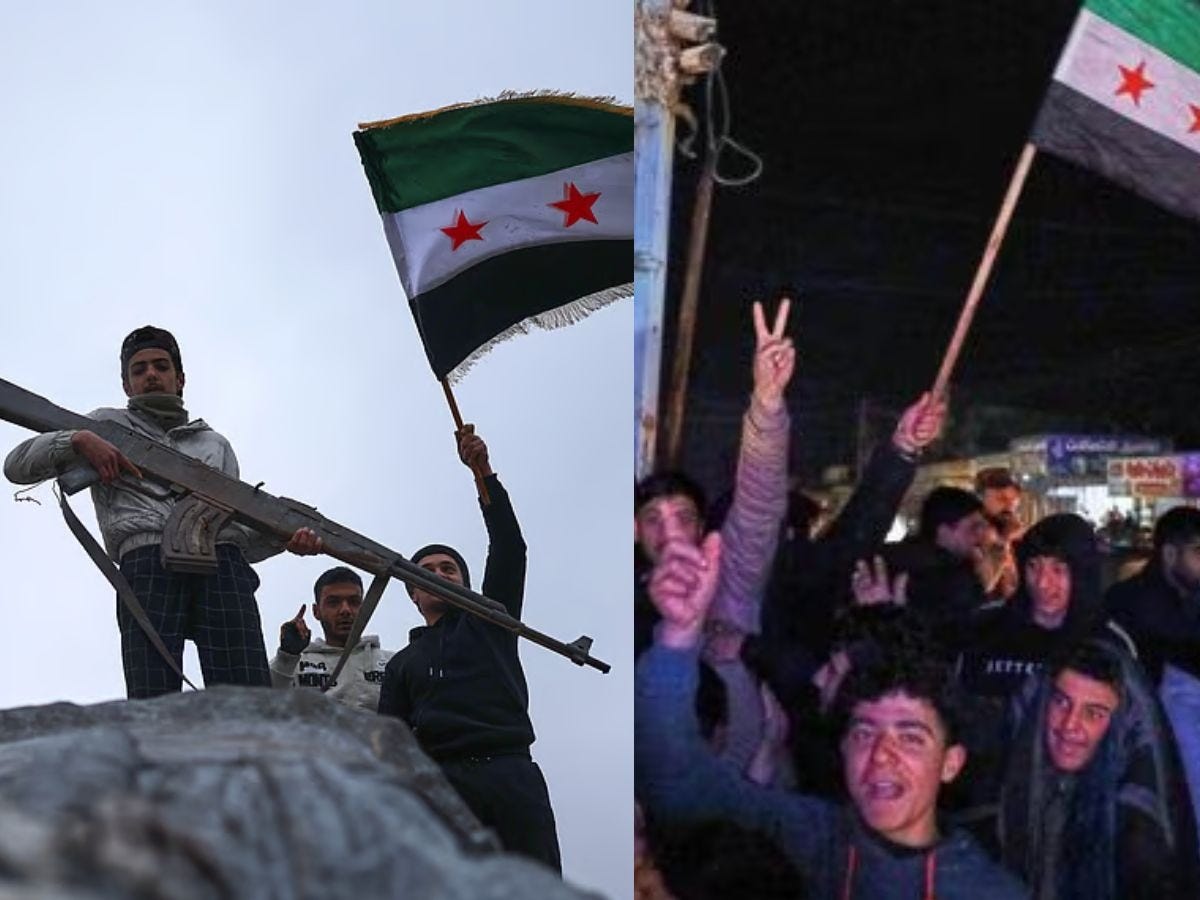
Syrian officials framed the agreement as a step toward restoring sovereignty and national unity after over 14 years of fragmented governance in the northeast. While Damascus has hailed the agreement as a political breakthrough, significant challenges persist with respect to its long-term implementation. These include reconciling the local governance structures established by the SDF across nearly 25% of Syrian territory under its control, where local councils, women’s protection units, and civilian administrative bodies have long managed public affairs and service delivery. Additionally, the SDF maintains an estimated force of around 10,000 fighters, accustomed to autonomy and self-rule, who cannot be easily or seamlessly integrated into existing Syrian government structures. The UN Office for the Coordination of Humanitarian Affairs reports that over 16 million Syrians require assistance and that northwest and northeast areas remain among the most fragile due to displacement, limited services and high needs.
Zone III: Stable but Economically Struggling
These countries enjoy relative peace and order, yet face fundamental economic, governance or social challenges.
Pakistan’s Expanding Arms Footprint
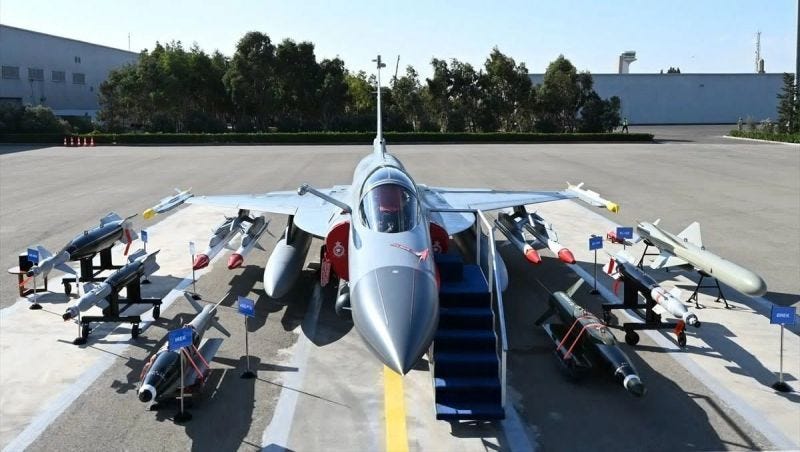
Pakistan is close to finalising a $1.5 billion deal to supply weapons and aircraft to Sudan, a move that could significantly affect the country’s nearly three-year civil war between the national army and the Rapid Support Forces. While modest by global arms trade standards, the deal comes amid a conflict marked by mass displacement and serious human rights abuses. Reuters reported in early January that the agreement is nearing completion, though no official confirmation has been issued by Islamabad.
The Sudan deal reflects a broader expansion of Pakistan’s defence footprint beyond South Asia. Traditionally focused on training Arab forces, Pakistan is now pursuing direct arms sales across the Middle East and Africa, anchored by a Strategic Mutual Defence Agreement with Saudi Arabia signed last September. Islamabad has also secured a multi-billion-dollar arms deal with Libya and is in advanced talks with Iraq, while several other countries have shown interest in the JF-17 fighter jet. Officials describe the push as part of an export-driven strategy, though analysts warn Pakistan must balance growing influence with regional sensitivities.
WPS Index and Muslim Standing
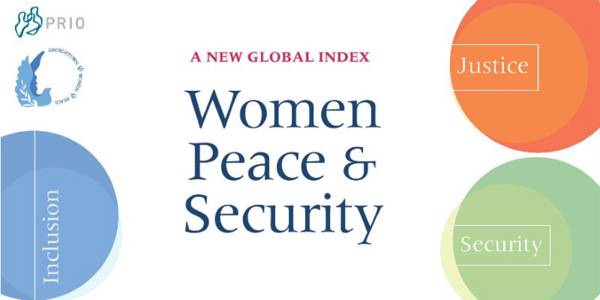
The 2025/26 Women, Peace and Security Index by Georgetown Institute for Women, Peace and Security assesses 181 countries on women’s inclusion, justice and security. The index uses 13 data indicators to show how women experience barriers to opportunities, legal protection and safety. Afghanistan ranks at the bottom of the global list, indicating the most severe challenges to women’s wellbeing in terms of education, economic participation and personal security. Yemen, Sudan, Pakistan, Bangladesh, and Palestine also feature among countries with low scores, reflecting major limitations on women’s ability to participate fully in society and access justice.
Zone IV: Developed or Emerging Economies with Peace and Stability
Zone IV encompasses those countries that have achieved a baseline of political or security stability, and which are now focused on economic growth, globalisation and strategic alignment
AlUla Marks Five Years as Saudi Arabia’s Cultural Showcase
Saudi Arabia’s AlUla Arts Festival returns for its fifth edition from 16 January to 14 February 2026, transforming the historic oasis city into a month-long hub of contemporary art, design, music, and performance. A central highlight is the fourth Desert X AlUla exhibition, running from 16 January to 28 February, featuring ten newly commissioned, site-specific works by Saudi and international artists set across AlUla’s natural landscape.
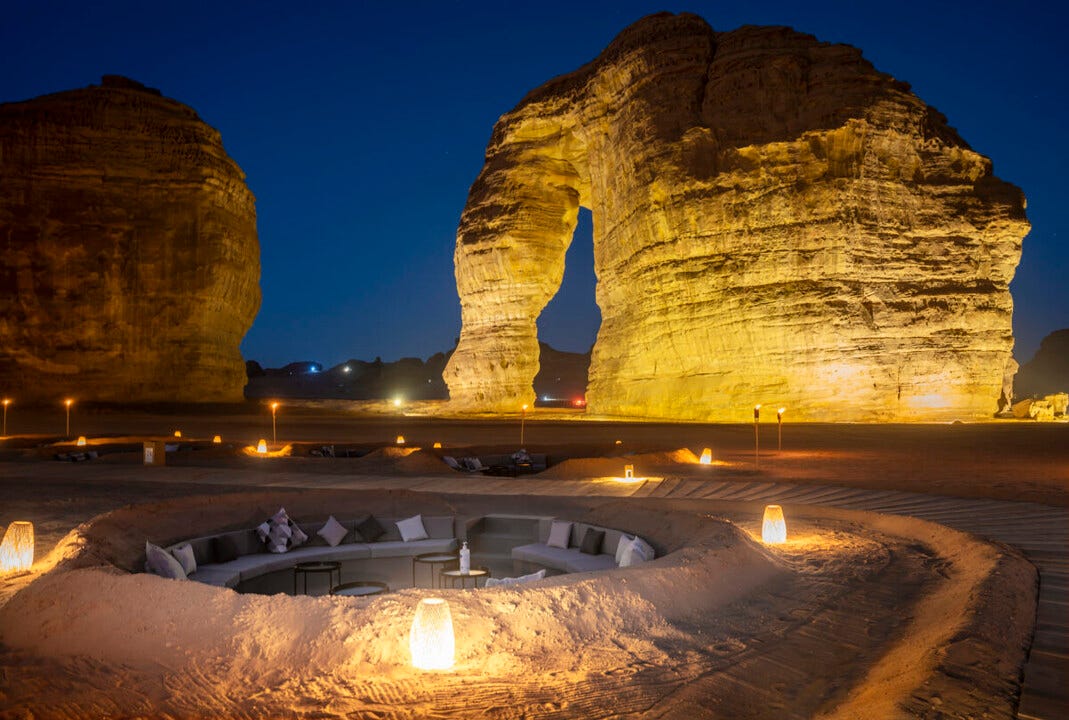
Curated under the theme “Space Without Measure” and inspired by the poetry of Kahlil Gibran, the artworks explore scale, imagination, and humanity’s relationship with place. The festival also previews AlUla’s forthcoming contemporary art museum through “Arduna” (Our Land), an exhibition opening on 1 February in collaboration with Centre Pompidou, showcasing over 80 works from Saudi Arabia and abroad. Alongside exhibitions, the festival includes design showcases, live music, film screenings, and public art installations, reinforcing AlUla’s growing role in Saudi Arabia’s cultural and creative ambitions.
Moonsighters Academy
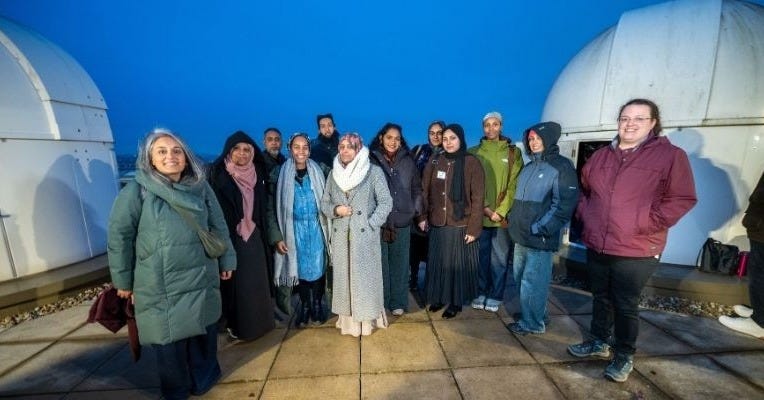
The University of Leeds has launched the Moonsighters Academy, a programme designed to train community leaders in lunar observation and basic astronomy, enabling Muslim communities across the UK to independently organise moon-sighting activities and coordinate Islamic calendar dates. By combining scientific methods with long-standing religious practice, the initiative aims to support more informed and consistent moon sightings for key months such as Ramadan and Eid.
Indonesia Sets Course to Make Halal Certification Mandatory
Indonesia will make halal certification mandatory for all products from October 2026, expanding a policy aimed at strengthening its position in the global halal economy. The regulation will apply to all businesses, including small and medium enterprises, and cover food, beverages, cosmetics, medicines, and other consumer goods, including imports. As of October last year, 9.6 million products had already received halal certification. Authorities say the move is intended to boost competitiveness, protect consumers, and position Southeast Asia’s largest economy as a leading global hub in a halal market valued at over $2.4 trillion.
Malaysia Defies Headwinds with Strong 2025 Growth
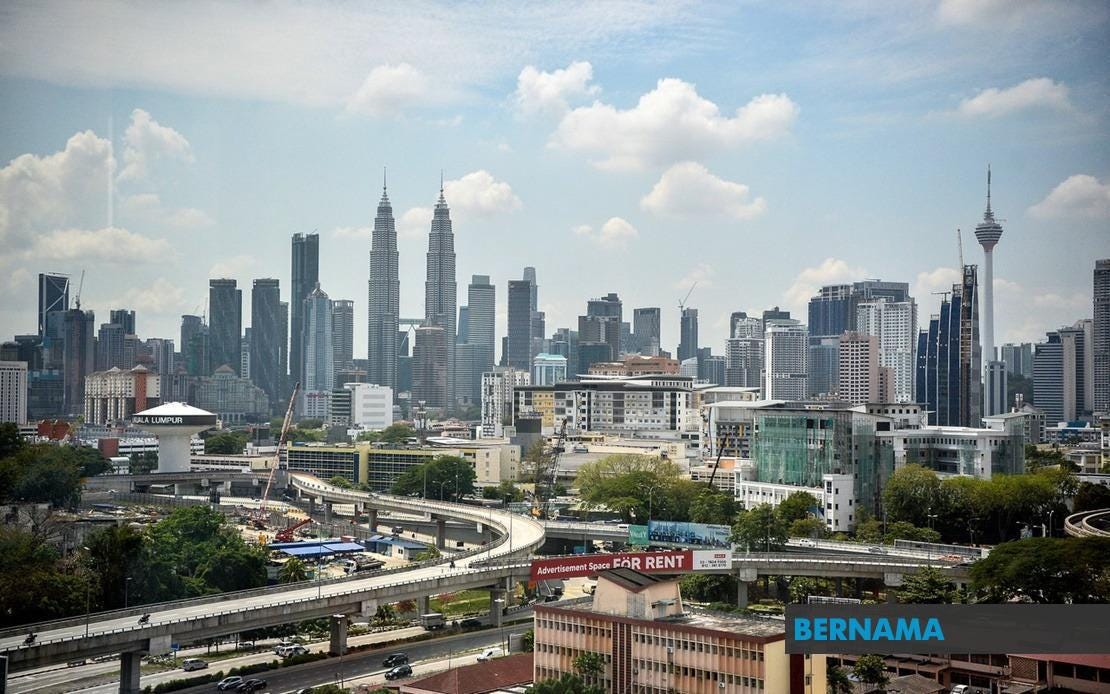
Malaysia’s economy expanded by an estimated 4.9% in 2025, exceeding government and central bank forecasts, driven by strong domestic demand and solid performance in services, manufacturing, and construction. Growth accelerated to 5.7% in the final quarter, the fastest pace since mid-2024, while exports remained resilient despite the impact of US tariffs. Analysts say the stronger-than-expected outlook reduces pressure on Bank Negara Malaysia to ease monetary policy, with some now predicting a possible rate hike later this year.
Konya Named OIC Youth Capital 2026
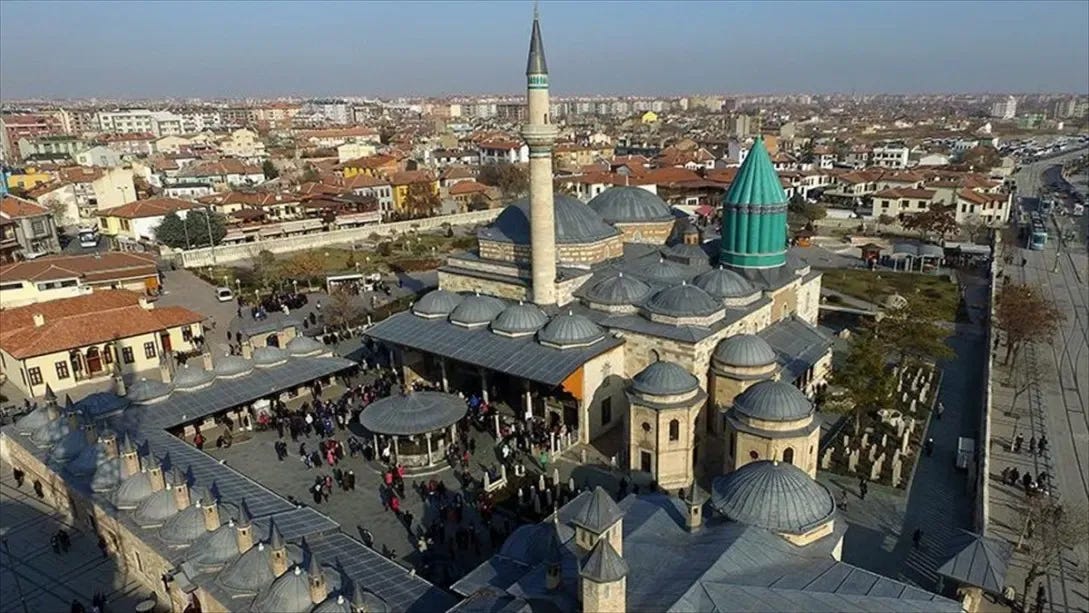
Konya in central Türkiye was designated as the 2026 Youth Capital by the Organisation of Islamic Cooperation Youth Forum (ICYF). Konya was selected after a vote by the ICYF executive board, beating other candidate cities including Tabriz and Tashkent. The designation is part of a programme that encourages solidarity, cultural exchange and shared youth engagement across the OIC member states.
Isra and Mi’raj: Meaning, Memory, and Devotion
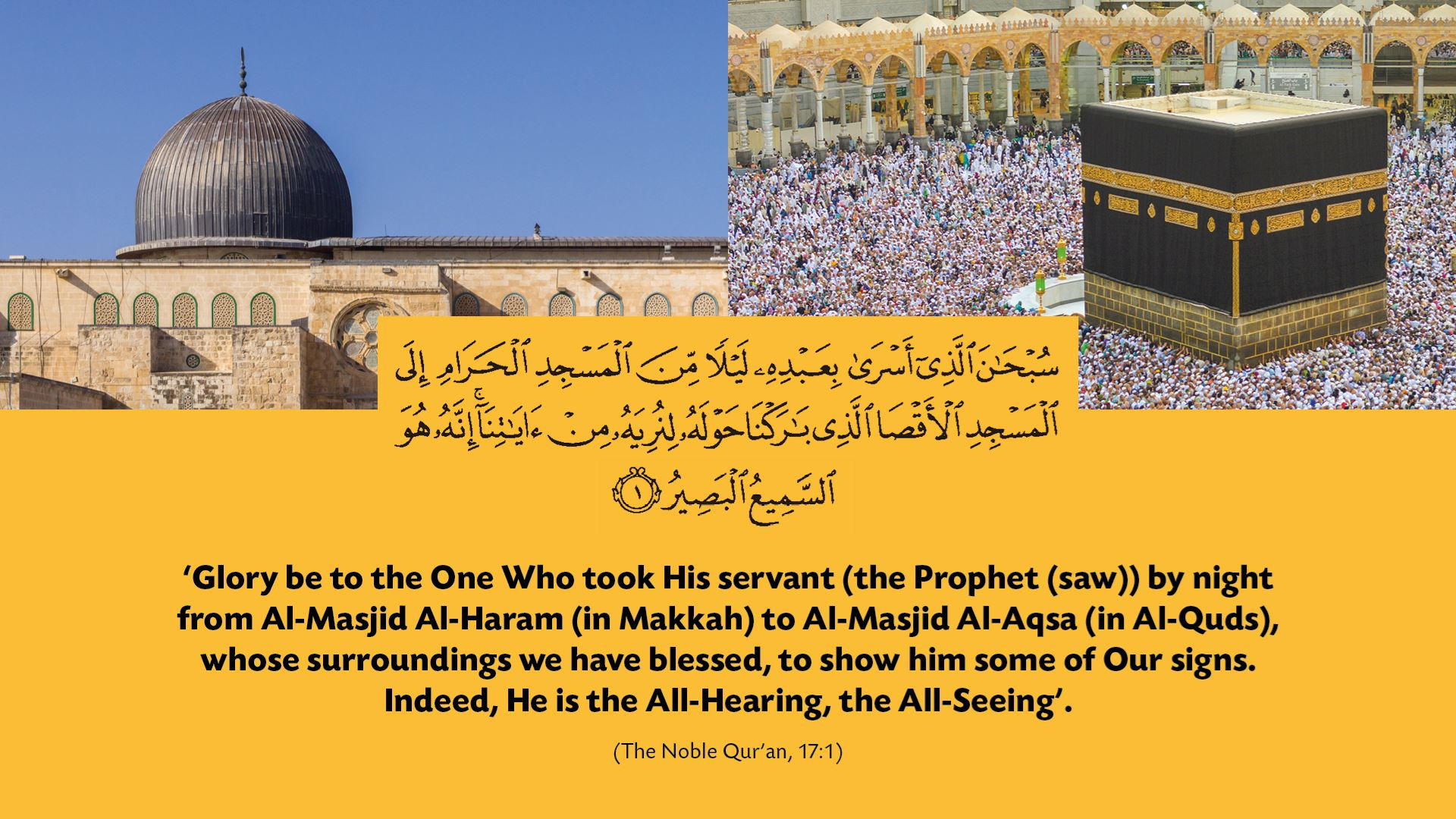
Muslims around the world observed Isra and Mi’raj on the 27th night of Rajab, marking the Prophet Muhammad’s (PBUH) spiritual night journey from Mecca to Jerusalem and his ascension into the heavens. These events not only underscore the esteemed status of the Prophet (PBUH) but also mark the establishment of fundamental Islamic practices, notably the five daily prayers. In 2026, Isra and Mi’raj was observed as an official public holiday in several Muslim-majority countries, including Kuwait, Oman, Yemen, Indonesia, and selected Malaysian states, while in other countries, the day was commemorated by communities without official public holiday status.
Article Pick
Read The Ascendancy of Secular Trends in Iranby Ali Sarihan. This article provides crucial context for understanding the backdrop of Iran’s ongoing nationwide protests. It traces the rise of secularism in Iran since the 1979 Islamic Revolution led by Ayatollah Khomeini, highlighting how even some religious clerics from that era now support separating Islam from the state. The study shows that 73% of Iranians today advocate for a secular government, and it examines the recurring waves of anti-Islamist and pro-democracy protests over the years, including those in 2009–2010, 2017–2018, 2019–2020, and 2022–2023. By exploring the influence of globalization, systemic issues within the regime, the Iranian diaspora, and rapid urbanization, the article offers a comprehensive background for readers seeking to understand the deeper social and political currents fueling Iran’s current unrest.