
Justice Denied: Ceasefire Violations, Violent Attacks, Suppression of Faith
Edraak Weekly

This week’s newsletter covers developments from 3 December to 23 December, highlighting the repeated violations of the Gaza ceasefire, calls for justice for the Rohingya, the tenuous relationship between Syria and the US amid the Palmyra attack, fines for expressing faith through niqab, and the tides of AI in the Islamic world.
Edraak is our newsletter that honours the Muslim world’s diversity, reflected in the multitude of its socio-economic conditions and political institutions spanning across the continents. Traced back to its Arabic origins, إدراك encompasses timely and thorough insights into the developments of the Muslim-majority nations.
For the purposes of this report, we’ve organised the Muslim-majority nations into four zones as per their current conditions of conflict, transition, stability, and development.
Zone I: Experiencing War, Conflict, Oppression, Genocide
This zone includes countries where violence, civil war, and mass atrocity crimes dominate daily life.
Death’s Shadow and the Promise of the Second Phase
On 3 December, violent clashes broke out between Hamas fighters and Israeli soldiers in Rafah of the southern Gaza Strip. As has been the case, both parties assigned blame to the other. Later the same day, Israel labelled the incident a ceasefire violation and launched a missile as a response in al-Mawasi, west of Khan Younis, which killed five people, including two children.
Since then, Israeli air strikes and artillery shelling have been hitting areas of northern and southern Gaza, especially Khan Younis. On 22 December, Gaza’s Government Media Office condemned Israel’s “serious and systematic violations” of the ceasefire, noting that the Israeli authorities had breached the ceasefire 875 times since it came into force on 10 October. It also added that at least 411 Palestinians had been killed and 1,112 others had been wounded in Israeli attacks on Gaza since the ceasefire began.
On 19 December, US Secretary of State Marco Rubio announced that a new governance structure for Gaza comprising an international board and a group of Palestinian technocrats would be established soon after the deployment of the International Stabilisation Force (ISF). He stated that the current situation where Israel continues to strike Hamas targets and the Palestinian resistance group’s constant assertion of control is not sustainable.
On 22 December, Turkiye’s Foreign Minister Hakan Fidan, too, indicated that the second phase of the ceasefire was likely to begin early in 2026.

Facing the World Court
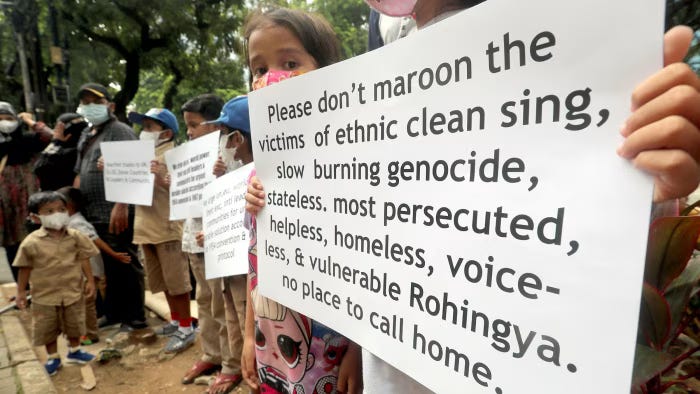
On 19 December, the International Court of Justice (ICJ) announced that it would hear the landmark case filed in 2019 by Gambia accusing Myanmar of committing genocide against the Rohingya, its minority Muslim group, from 12 till 29 January. The claimant will be presenting its case first from 12 till 15 January followed by the respondent, which has consistently denied the claims of genocide, detailing its position from 16 till 20 January.
The legal proceedings will establish precedents that may influence South Africa’s case against Israel regarding the Gaza genocide.
Zone II: Transition toward Peace and Stability
Countries in this zone are emerging from conflict or undergoing volatile transitions. They are in the process of political reconstruction and institution-building.
All’s Fair in Hate and War
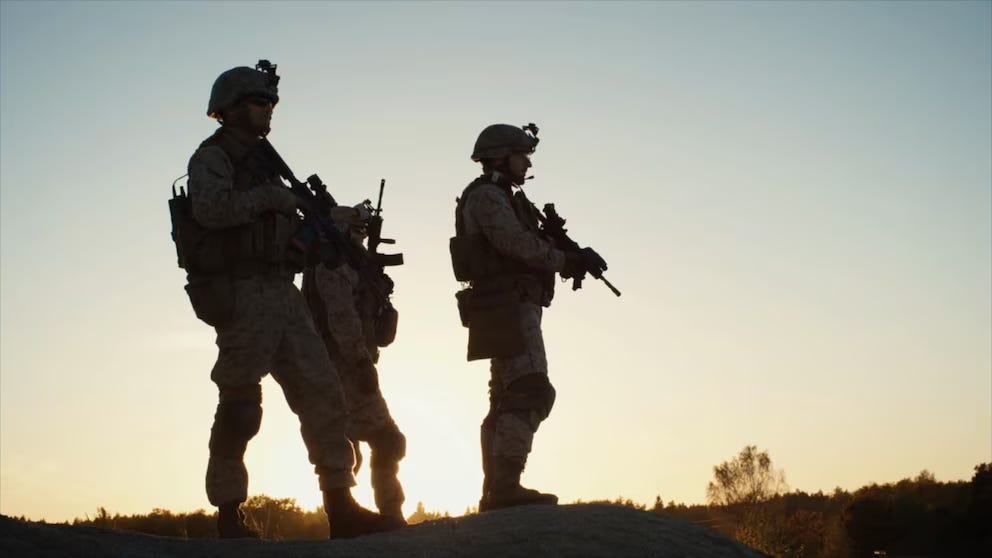
On 13 December, a gunman believed to be an IS member ambushed a US-Syrian joint patrol near Palmyra, killing three US personnel and wounding two, as well as two members of the Syrian security services. Syrian forces killed the gunman at the scene. Syria’s Interior Ministry revealed a different story, claiming the attacker was a member of its security forces who probably sympathised with the Islamic State.
The Islamic State, on 18 December, expressed satisfaction at the killing of US personnel but did not explicitly claim responsibility for the incident. On 19 December, in response to the Palmyra attack on American forces, the US Central Command (Centcom), which directs American military operations in the Middle East, north-east Africa, central and southern Asia, launched Operation Hawkeye Strike against the Islamic State group (IS) in Syria. The operation “struck more than 70 targets at multiple locations across central Syria” and “employed more than 100 precision munitions” targeting known IS infrastructure and weapons sites.
Banding Against IS-K
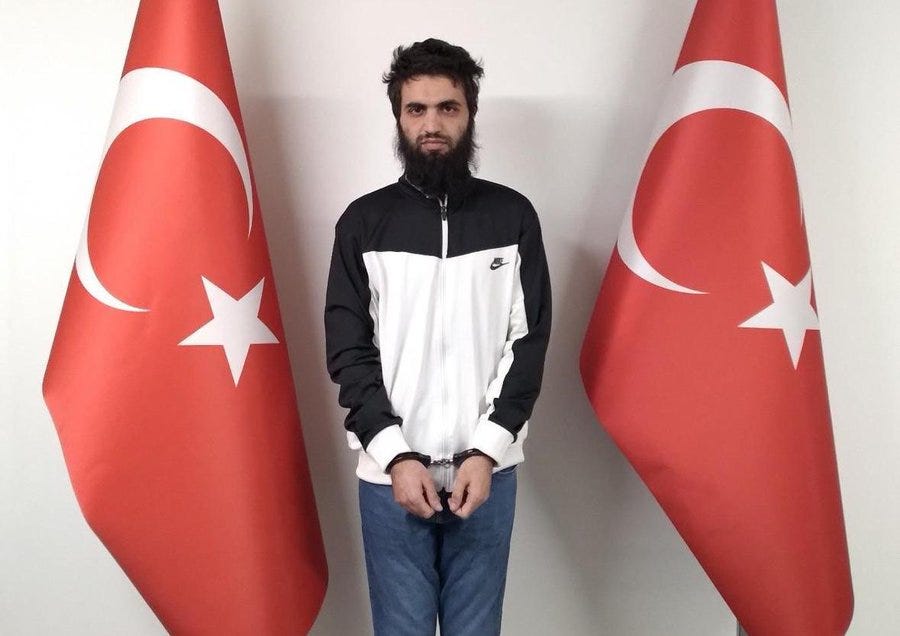
On 22 December, in a major operation, Turkiye’s intelligence agency captured Mehmet Goren, a senior member of the Islamic State-Khorasan (IS-K) group, in an area along the Afghanistan-Pakistan border. Goren was reportedly responsible for organising suicide attacks in Afghanistan, Pakistan, Turkiye, and Europe.
Prominent members of IS-K, Sultan Aziz Azzam, the group’s spokesperson and supposed second-in-command, and Nisar Hakim, a key commander, were arrested and killed respectively in intelligence operations conducted by the Pakistani authorities this year. The presence of this group in Afghanistan markedly reduces the credibility of the Afghan Taliban’s repeated assertion that no militant groups operate from Afghan soil.
Closure of an Active Cultural Centre
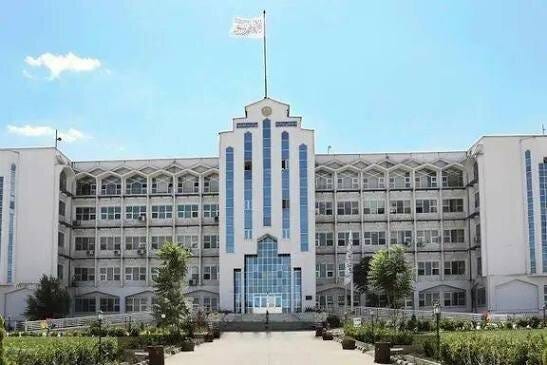
On 21 December, the Imam Hussain (A.S) Cultural and Educational Complex in Kabul, one of the most active cultural centers for Shia communities, was shut down by the order of Abdul Hakim Sharaei, the Taliban’s Minister of Justice. Despite holding all necessary legal and religious licenses and lawfully carrying out scientific, cultural, and educational activities, the centre’s activities have been brought to a halt without an official explanation.
Zone III: Stable but Economically Struggling
These countries enjoy relative peace and order, yet face fundamental economic, governance or social challenges.
Fatwas in the Digital Age
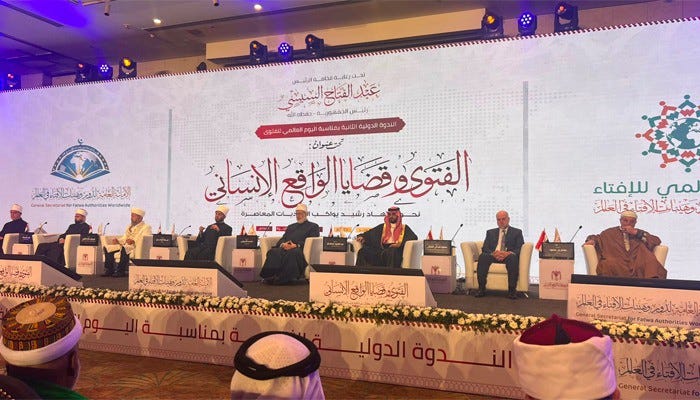
The Second International Symposium of the General Secretariat for Fatwa Authorities Worldwide took place in Cairo on 15–16 December 2025 under the theme “Fatwa and Contemporary Human Issues: Toward Sound Ijtihād that Responds to Contemporary Challenges”.
His Eminence Dr. Nazir Mohammad Ayyad, the Grand Mufti of Egypt, stressed the growing importance of responsible digital fatwa in the era of digital globalisation, emphasising that a fatwa is not merely an intellectual exercise but a vital tool for guidance, social stability, and public well-being.
Several initiatives expected to be introduced following the conference include the Fatwa and Respect for Human Dignity Charter, the crisis-fatwa procedural guide, a humanitarian fatwa manual, and some institutional and legal recommendations. These initiatives recognise the efforts necessary to position fatwa work as a driver of societal impact, grounded in research, evaluation, and measurable outcomes.
Zone IV: Developed or Emerging Economies with Peace and Stability
Zone IV encompasses those countries that have achieved a baseline of political or security stability, and which are now focused on economic growth, globalisation and strategic alignment.
Fines for Practising Faith
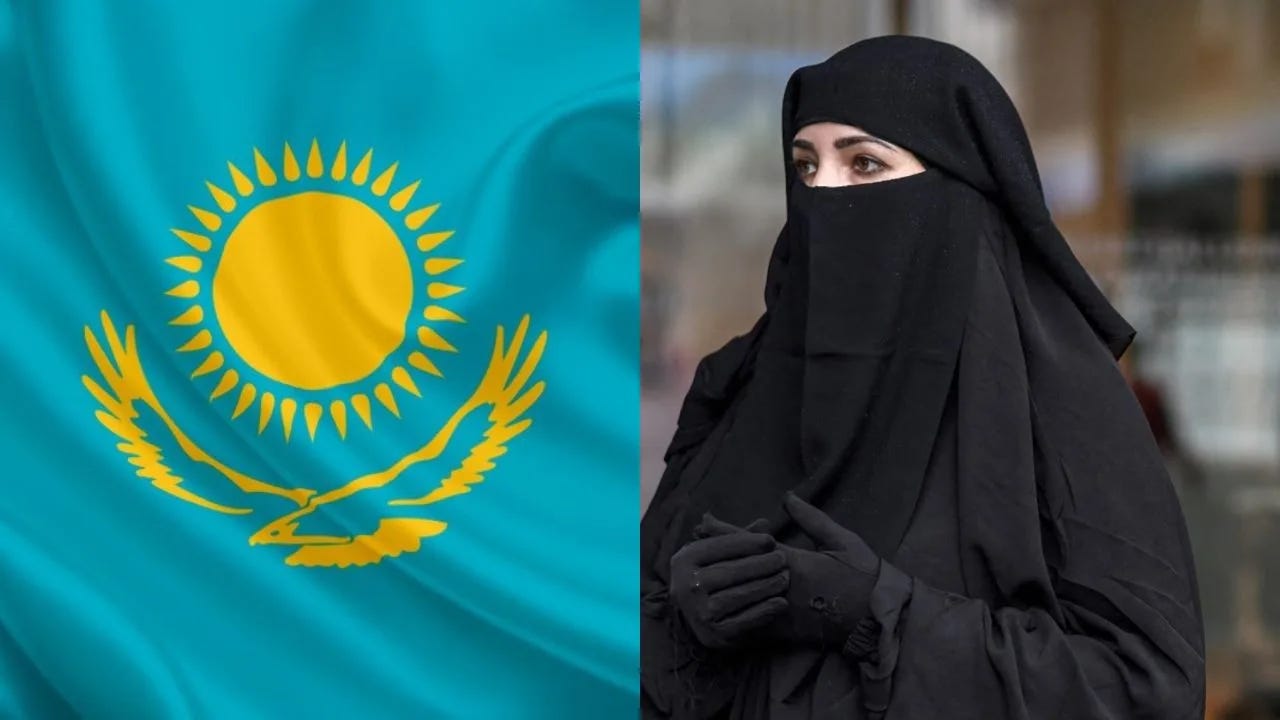
In December, the Mazhilis, the lower house of the Kazakh parliament, formally approved fines for the bill outlawing the use of a niqab or similar clothing that covers the face in a public place. Like its Central Asian neighbours, Kazakhstan also cites national security and counter-terrorism as reasons for the ban. While the first offense only receives a warning, a fine of $86 will be applied to subsequent offenses.
AI for the Islamic World
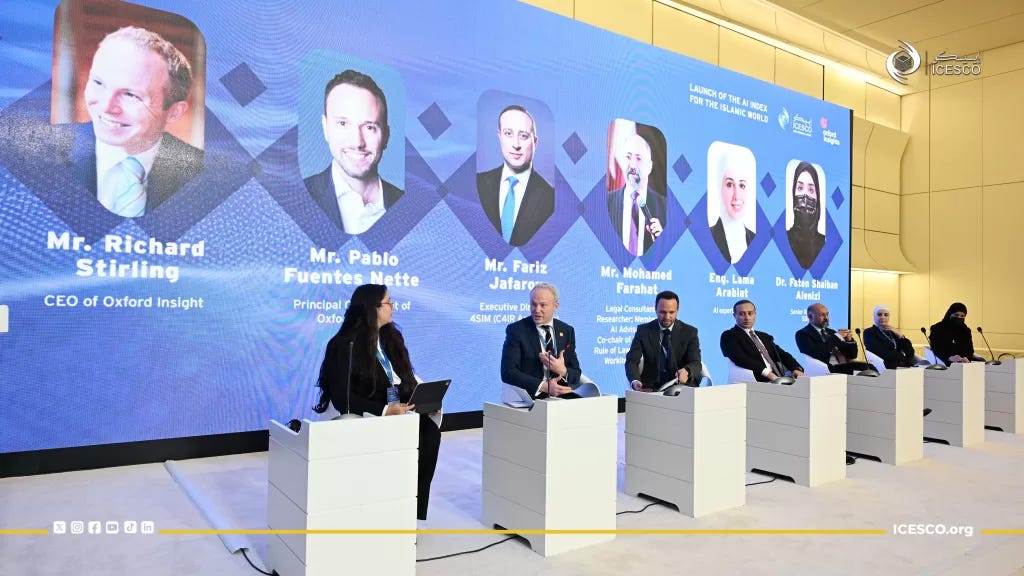
On 8 December, the international conference on the theme “Launch of the AI Index for the Islamic World” was held at the Heydar Aliyev Center in Baku. Co-organised by the Heydar Aliyev Foundation, Azerbaijan’s Ministry of Science and Education in partnership with the Islamic World Educational, Scientific and Cultural Organization (ICESCO), the conference aimed to enhance cooperation on artificial intelligence (AI) in the Islamic world as well as discuss the ethical, social and economic impacts of AI.
The ICESCO AI Index for the Islamic World, which measures trends in AI development among member states, currently only includes nine leading countries in the Islamic world, but is part of an effort to implement the Riyadh Charter on Artificial Intelligence in the Islamic world, which serves as the ethical and strategic reference for ICESCO member states.
The National Artificial Intelligence Strategy for 2025–2028 of Azerbaijan builds on the momentum of fostering technological creativity in establishing a national artificial intelligence ecosystem, developing the AI model in Azerbaijani for public services, defining the standards for government agencies, and establishing the Artificial Intelligence Academy.
Economic Growth and Progress in Central Asia
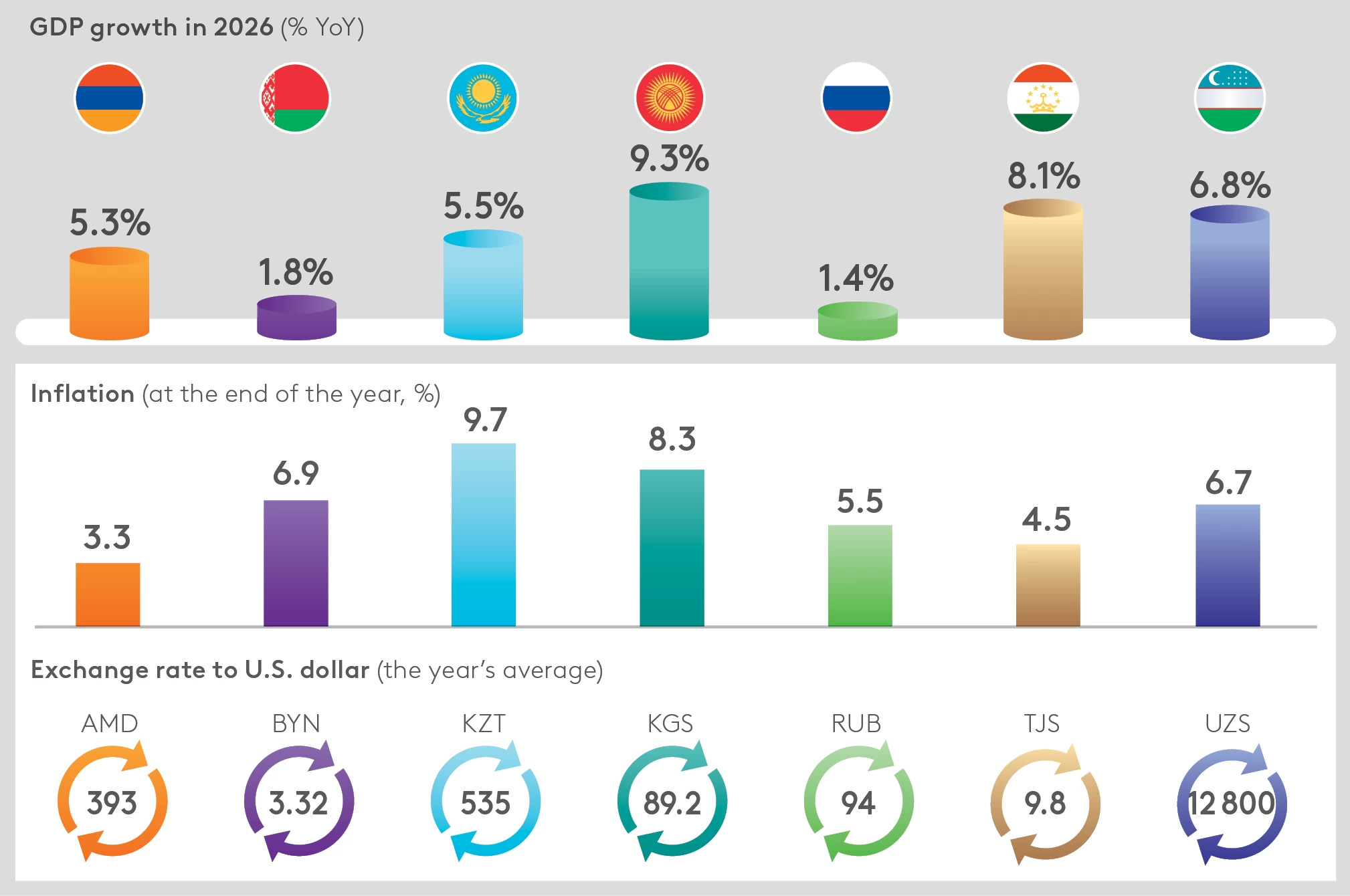
On 18 December, the Eurasian Development Bank (EDB) published its Macroeconomic Outlook for 2026-2028, reviewing recent economic developments and offering projections for its seven member states: Armenia, Belarus, Kazakhstan, Kyrgyzstan, Russia, Tajikistan, and Uzbekistan.
According to the 2026-2028 outlook, aggregate GDP growth across the EDB region is forecast to reach 2.3% in 2026, and the Central Asian members—Kyrgyzstan (9.3%), Tajikistan (8.1%), Uzbekistan (6.8%), and Kazakhstan (5.5%)—are expected to remain EDB’s fastest-growing economies.
Indonesia Expands Market Access in EAEU Trade Deal
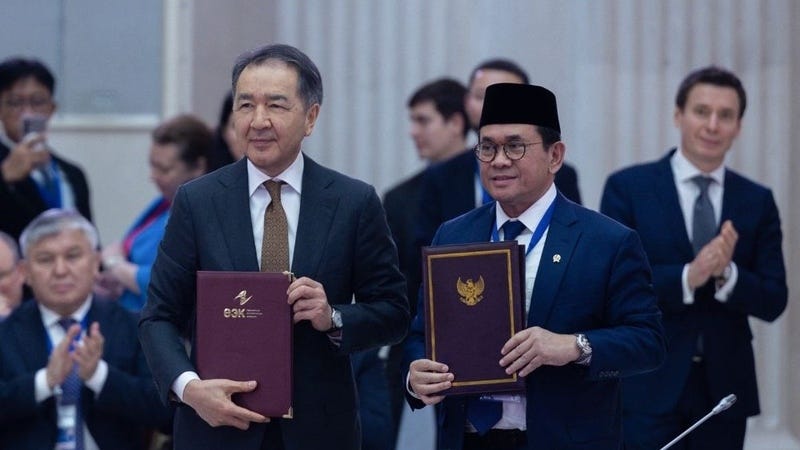
On 21 December, Indonesia and the Russia-led Eurasian Economic Union (EAEU), comprising Armenia, Belarus, Kazakhstan, Kyrgyzstan and Russia itself, signed a free trade agreement in St. Petersburg. Under this agreement, the EAEU will grant Indonesia preferential rates for 90.5% of its total tariff lines, which gives Indonesia’s leading export products like palm oil, coconut oil, coffee, and cocoa broader and more competitive access.
Between January to October 2025, total trade between Indonesia and the union stood at $4.4 billion, with Indonesian exports at $1.76 billion and imports from the bloc amounting to $2.64 billion, according to the trade ministry.
Article Pick
Read Islamic Law in Responding to the Phenomenon of Artificial Intelligence by Irma Rahman to explore the adaptability of Islamic jurisprudence to emerging technological issues in a world building reliance on robotics and AI. The study finds that the maqaasid al-shariah offer guidance in addressing the challenges posed by AI around privacy, accountability, justice, and human dignity.
The author understands that while certain states, such as the United Arab Emirates, are motivated to employ AI to support distal fatwas, many remain cautious of this. Issuing a fatwa requires ijtihad, the critical contextual reasoning by qualified jurists, and hence AI fails to be eligible.
A fascinating aspect of Islamic jurisprudence is in its nature, where it is also able to accommodate innovations from printing technologies to medical breakthroughs without losing its ethical grounding. The goal lies, as the author states, not in “rejecting AI but in ensuring its development and application remain aligned with the objectives of sharī ‘ah.”
Brilliant framework organizing Muslim-majority nations into zones based on conflict vs development stages. The Zone IV section on AI implementation across the Islamic world realy shows how tech adoption can leap-frog traditional development trajectories. I've worked on a few tech deployment projects in emerging markets, and the biggest hurdle is always coordinating ethical standards alongside technical infrastructure, especially when you're dealng with countries at such different stages of stability and governance. The ICESCO AI Index sounds like the right kind of initiative to actually track progress meaningfully.