
Edraak Weekly
Family Structure: Marriage, Inheritance & Divorce

This week’s newsletter covers developments from 17 November to 2 December, 2025 detailing the changing family law landscape in the Muslim world, the ripple effects of ongoing coups in Africa, Israel’s latest incursions into Syria, the 2025 CSTO summit in Bishkek, and the renewed strategic alignment between the Central Asian Republics (CARs) and Azerbaijan.
Edraak is our newsletter that honours the Muslim world’s diversity, reflected in the multitude of its socio-economic conditions and political institutions spanning across the continents. Traced back to its Arabic origins, إدراك encompasses timely and thorough insights into the developments of the Muslim-majority nations.
For the purposes of this report, we’ve organised the Muslim-majority nations into four zones as per their current conditions of conflict, transition, stability, and development.
Zone I: Experiencing War, Conflict, Oppression, Genocide
This zone includes countries where violence, civil war, and mass atrocity crimes dominate daily life.
Another Day, Another Coup
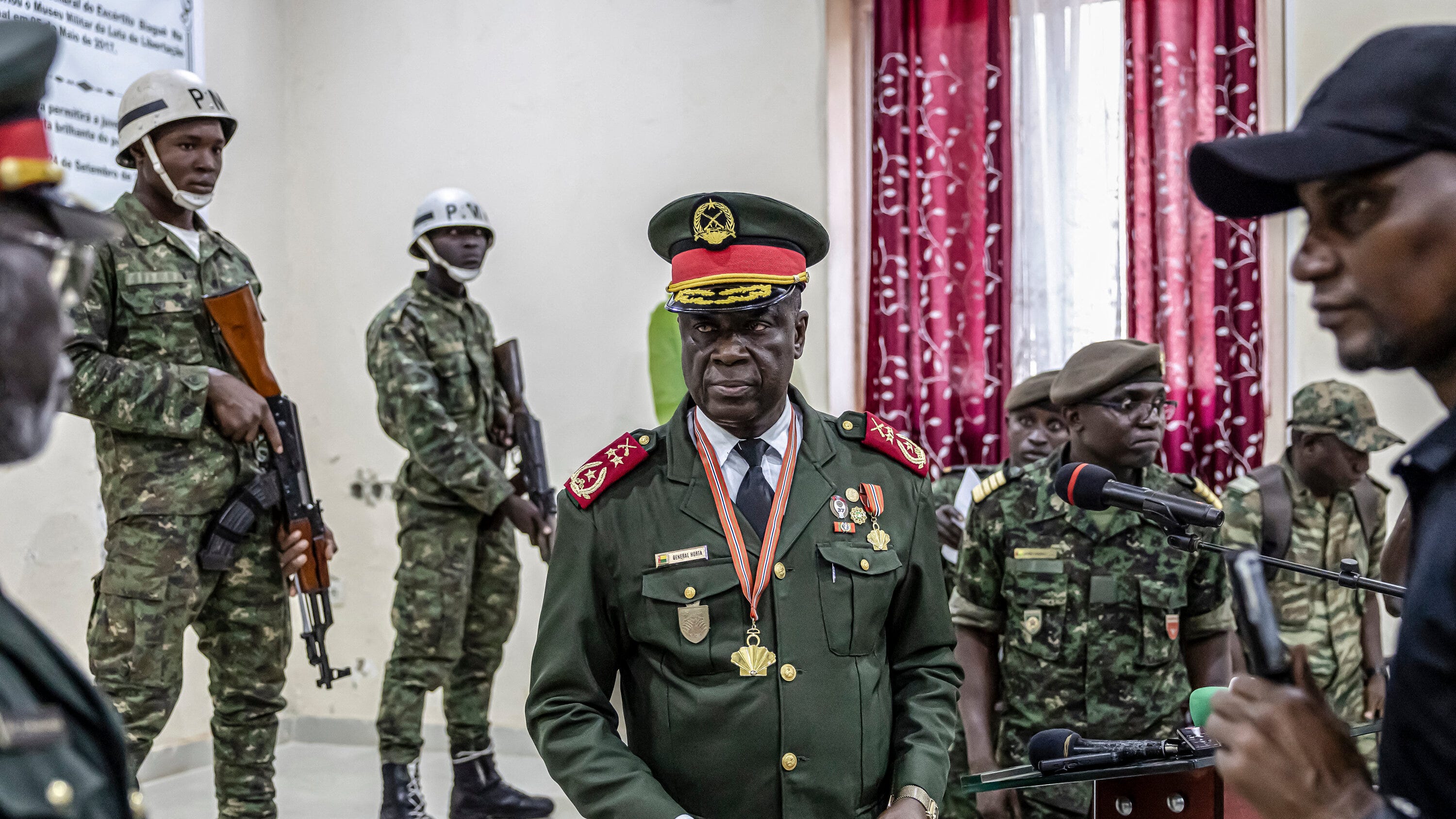
Citizens of Guinea-Bissau voted in elections on November 23, after which the Election Commission was due to announce provisional results of the presidential and parliamentary elections on November 27. However, on November 26, the military announced its takeover, the arrest of the incumbent president, the suspension of the electoral process, and the closure of the country’s borders.
The West African nation is not new to coups; in fact, it has been the only constant political action since the country gained independence from Portugal in 1974. General Horta Inta-A Na Man, formerly the army’s chief of staff, has been sworn in as president and is due to stay in power for a transition period of one year.
Zone II: Transition toward Peace and Stability
Countries in this zone are emerging from conflict or undergoing volatile transitions. They are in the process of political reconstruction and institution-building.
Desiring a Buffer Zone
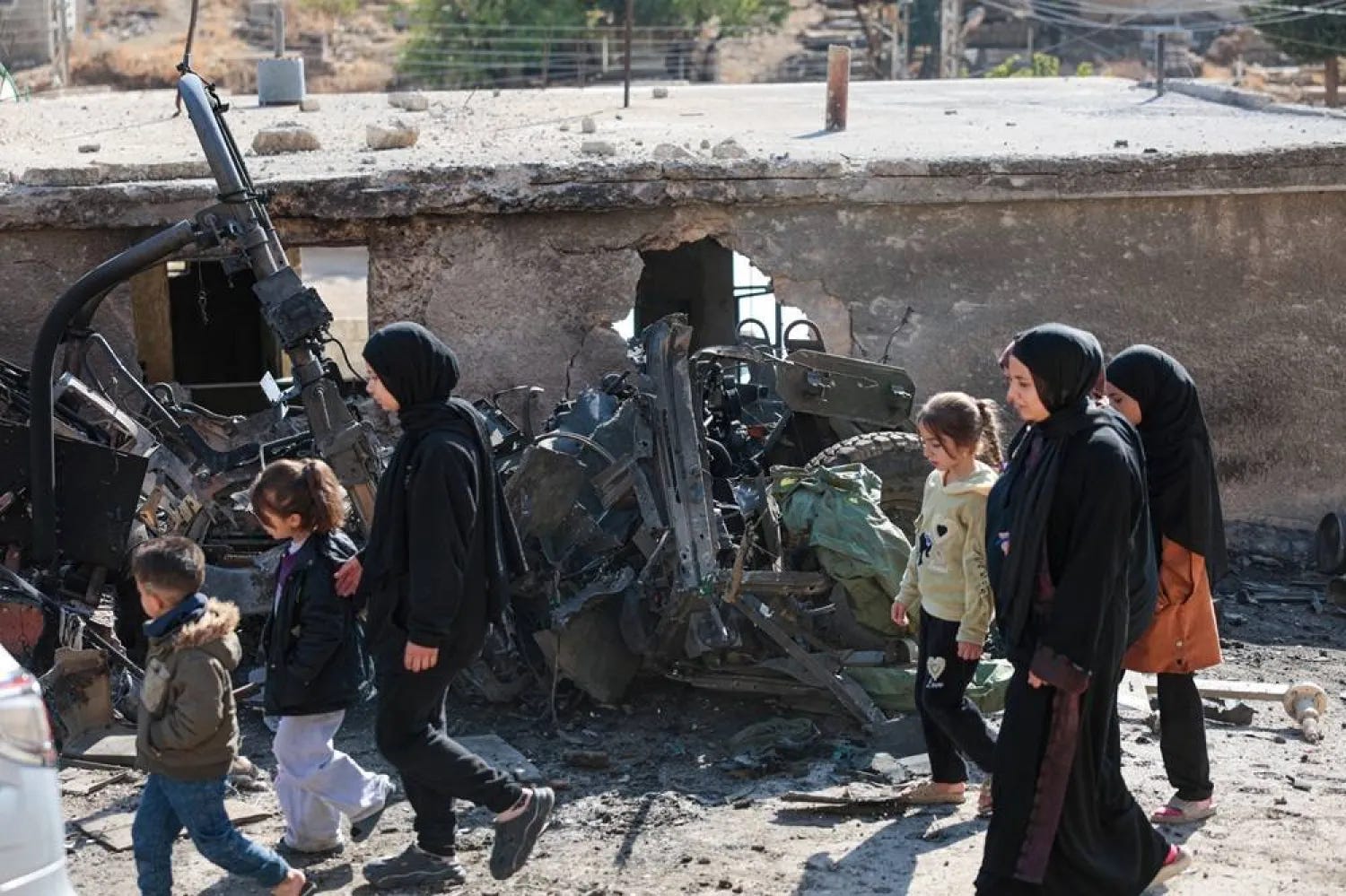
On November 28, an Israeli incursion in the village of Beit Jin in Damascus killed at least 13 people, including women and children. Syria’s Foreign Ministry condemned the deadly attack, calling it a “war crime”.
More recently, on December 2, Israeli Prime Minister Benjamin Netanyahu defended the operation by claiming that it was directed at militants and put forward the demand of a demilitarised “buffer zone” between the Israeli-occupied Golan Heights (illegally annexed by Israel in 1967) and Damascus.
While Netanyahu maintains the territorial demand as a non-negotiable “security principle,” Trump has warned against actions that could “interfere with Syria’s evolution into a prosperous state” and instead advised to seek “a strong and true dialogue with Syria”.
Zone III: Stable but Economically Struggling
These countries enjoy relative peace and order, yet face fundamental economic, governance or social challenges.
On December 2, during a joint congressional briefing, United States lawmakers were called upon to pressure the Nigerian government to abolish Sharia law in northern states and disband the religious-enforcement Hisbah commissions amid escalating concerns about anti-Christian persecution. This joint briefing also comes after US President Donald Trump’s October directive and designation of Nigeria as a Country of Particular Concern.
Civil rights activists have also been campaigning for a truly secular Nigeria, as the federal constitution recognises and dictates, with the removal of shariah law from the Nigerian constitution. Christianity and Islam are the major religions in Nigeria, each accounting for roughly half of the population, with Christianity dominant in the southern states and Islam dominating in the northern states.
Banning Child Marriages
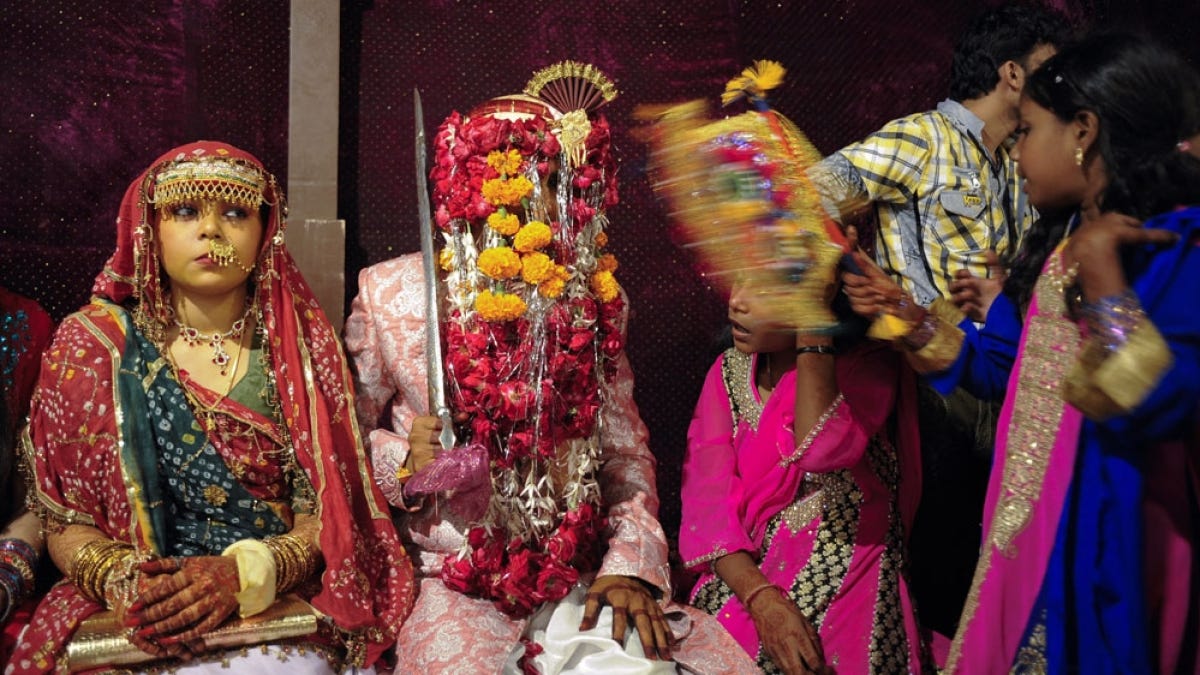
On November 14, the Provincial Assembly of Balochistan (Pakistan) raised the legal age for marriage to 18 for both males and females, thus declaring marriage below the age of 18 punishable by law now in ICT, Sindh, and Balochistan.
The Council of Islamic Ideology (CII), a constitutional body that advises the Pakistani government on the compatibility of laws with Islam, however, has been a sharp critic of these bills, terming them “un-Islamic”.
Zone IV: Developed or Emerging Economies with Peace and Stability
Zone IV encompasses those countries that have achieved a baseline of political or security stability, and which are now focused on economic growth, globalisation and strategic alignment.
C5+Azerbaijan
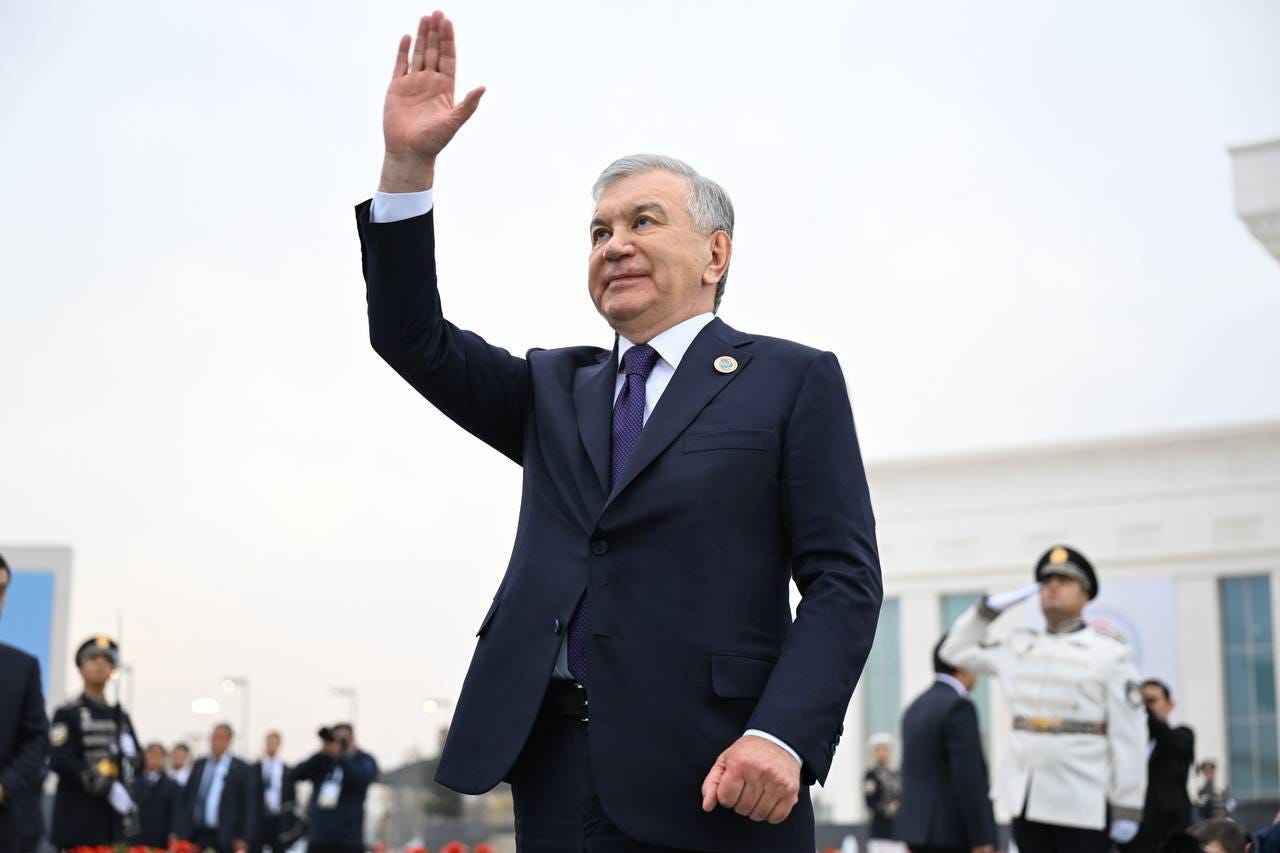
On November 16, Uzbekistan hosted the VII Consultative Meeting of the Heads of State of Central Asia, with leaders of Kazakhstan, Uzbekistan, Kyrgyzstan, Tajikistan, and Turkmenistan in attendance. Previously, an observer, Azerbaijan has now officially joined the Consultative Meeting as an equal member.
The deepening cooperation between the Central Asian Republics and Azerbaijan reflects a broader trend toward institutionalising regionalism in Central Asia, with consultative meetings having evolved into a central platform through which regional leaders coordinate policy, harmonise regulations, and address shared challenges.
Assam Passes Anti-Polyamy Bill
On November 27, Assam became the second state after Uttarakhand to pass a law banning polygamy, that is, entering into a second marriage while the first subsists. This makes contracting a second marriage during the existence of the first a criminal offence with imprisonment of up to 10 years. Only scheduled tribes and areas under the Sixth Schedule are the exception.
While it applies to all religions, this law practically criminalises an essential part of Islamic personal law. Moreover, it is also a direct violation of the freedoms protected in Articles 25 and 26 of the Constitution.
CSTO Summit in Bishkek
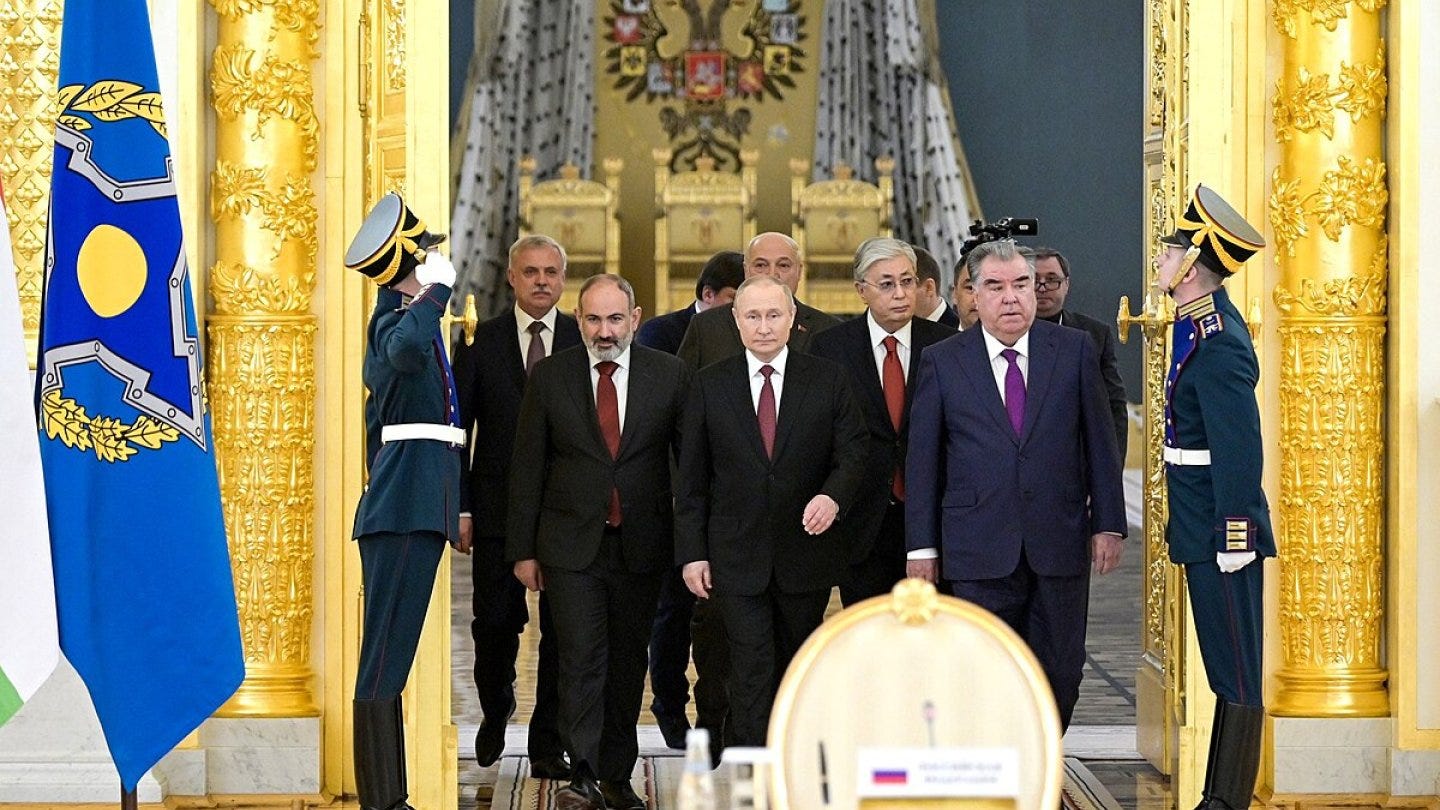
On November 27, Kyrgyzstan hosted the annual summit of the Collective Security Treaty Organization (CSTO), often viewed as an Eurasian NATO, bringing together foreign ministers, defence ministers, and security council secretaries from member states. The CSTO consists of Russia and the former Soviet states of Armenia, Belarus, Kazakhstan, Kyrgyzstan, and Tajikistan, but Armenia refuses to participate in the summit, seeing the inadequacies of the military alliance and its tepid responses to its own security challenges.
Article Pick
Far from being considered discriminatory because of the principle of a double share to a man and a single share to a woman, “Justification of Inheritance Distribution for Women According to Islamic Inheritance Law” by Md Yazid Ahmad, Ezad Azraai Jamsari, Mohd Hafiz Safiai, Anwar Fakhri Omar, and Nor Adila Mohd Nor argues that the ultimate aim of Islamic inheritance law is to uphold justice for all eligible heirs without discrimination based on gender, age, or physical ability. Even the 2:1 ratio between men and women is not absolute, as there could easily be cases where women receive equal or even greater shares than men.